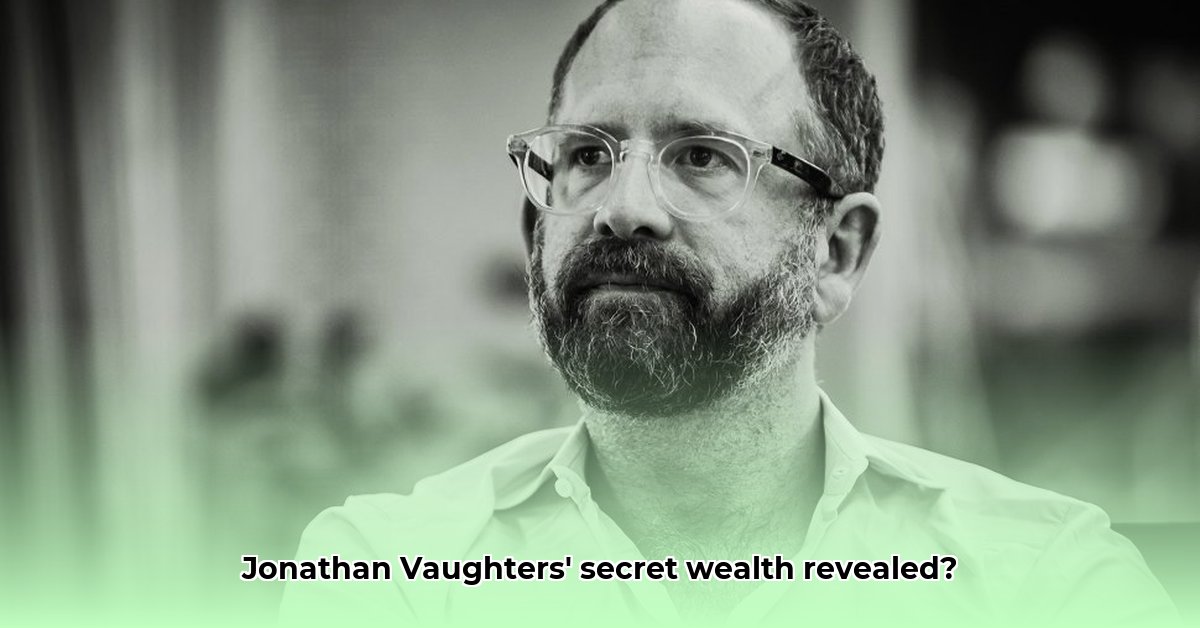
Jonathan Vaughters. The name resonates with both the thrilling highs and gut-wrenching lows of professional cycling. He’s a former pro cyclist, a controversial figure, a shrewd businessman, and the force behind the EF Education-EasyPost cycling team. But what's the actual value of his empire? Pinpointing his net worth is akin to chasing a ghost, but exploring his career reveals a fascinating picture of entrepreneurial success in a notoriously unstable world.
From Doping Confession to Cycling Leadership: A Calculated Risk
Vaughters' journey is anything but conventional. His public confession of EPO use, a move that could have shattered his career, instead became a turning point. This bold act of contrition redefined his path. This wasn't just a gamble; it was a strategic pivot toward becoming a leader in advocating for clean cycling. This commitment, while potentially making him less competitive in the short term, likely laid the groundwork for his long-term financial success, building trust and a strong reputation. It was a long-term investment that has seemingly paid dividends.
EF Education-EasyPost: Building a Profitable Cycling Enterprise
Vaughters’ team, EF Education-EasyPost, is more than a collection of athletes; it's a carefully constructed business. This is not about charity; it's a business built on sponsorships, merchandise sales, and media rights. Their consistent presence in the world's top races attracts substantial sponsors, fueling revenue. Although the team's exact financials are confidential, their performance speaks volumes about their profitability. Vaughters' role at the helm naturally translates into a significant share of these financial rewards, making his net worth undoubtedly substantial. It's reasonable to infer a net worth in the millions, though a precise figure remains elusive.
Estimating Vaughters' Net Worth: A Challenging Puzzle
Determining Vaughters' exact net worth is a complex task. Unlike publicly traded companies, cycling teams don't release detailed financial information. Any estimate relies on reasonable assumptions and inferences. However, considering his long tenure leading a successful team and his evident business acumen, we can conclude his net worth is undoubtedly significant. While a precise number is unavailable, a multi-million dollar net worth appears highly probable.
Beyond the Finances: Vaughters' Enduring Legacy in Cycling
Vaughters' impact extends far beyond his personal wealth. His unwavering dedication to clean cycling has undeniably reshaped the sport's culture. His outspoken advocacy and the creation of a successful, ethically-focused team have created a positive ripple effect. This intangible legacy, promoting ethical competition, is immeasurable and transcends any financial valuation.
The Future: What's Next for Vaughters?
Vaughters’ entrepreneurial spirit suggests ongoing innovation and ventures. We might see expansions of his team, new sponsorships, or opportunities beyond cycling, leveraging his expertise in sports management. His skills in building and leading successful organizations are highly sought after, opening numerous possibilities. He is a successful businessman in an industry where few succeed long-term.
Why Precise Figures Remain Elusive: Key Unknowns
Several factors contribute to the difficulty of determining Vaughters' precise net worth:
- Team Ownership Structure: The exact percentage of EF Education-EasyPost Vaughters owns directly impacts his net worth. While likely substantial, the exact amount is unknown.
- Revenue and Sponsorship: While successful, precise revenue and sponsorship details are confidential.
- Personal Investments: Vaughters' personal investments outside cycling are unknown and could add significantly to his wealth.
In conclusion, Jonathan Vaughters' net worth, while likely substantial, remains undisclosed. However, the story of his success in the precarious world of professional cycling stands as a testament to his business acumen, entrepreneurial spirit, and enduring commitment to integrity. This legacy, far exceeding any financial measure, is his greatest achievement.
How to Build a Sustainable Professional Cycling Team: Lessons from Vaughters
Key Takeaways:
- Professional cycling's financial model is inherently risky, highly reliant on unpredictable sponsorship.
- Sustainable success requires revenue diversification beyond reliance on major sponsors.
- Vaughters' career demonstrates both challenges and innovative solutions within the sport's financial landscape.
- Collaboration and transparency are vital for promoting long-term stability in the cycling industry.
- Exploring alternative revenue models, including merchandise and digital content, are crucial for team longevity.
Jonathan Vaughters’ career isn't just a story of cycling; it’s a case study in entrepreneurial resilience within a chaotic financial landscape. He's built teams, faced near-bankruptcy, and consistently pushed the boundaries of the sport’s financial norms. His journey offers invaluable lessons on how to build a truly sustainable professional cycling team – a feat few have accomplished.
Surviving in Pro Cycling: Diversification is Key
Vaughters' journey highlights the inherent instability of the professional cycling business model. The heavy reliance on sponsorships creates a precarious situation. What happens when a major sponsor pulls out? The team collapses. This highlights the importance of diversification in generating and maintaining revenue streams. It’s not just about winning races. It's about securing financial stability.
Building a Sustainable Business Model: Steps to Success
Drawing on Vaughters' trajectory, here's a roadmap:
- Secure Diversified Funding: Rely on multiple funding sources beyond major sponsors.
- Cultivate a Strong Brand: Create a recognizable identity generating consistent value.
- Develop a Robust Digital Strategy: Engage fans digitally to build loyalty and attract sponsors.
- Streamline Operations: Improve efficiency and cost-effectiveness.
- Foster Long-Term Partnerships: Build mutually-beneficial sponsor relationships that go beyond short-term contracts.
- Invest in Data Analytics: Leverage data to make strategic decisions, optimize team performance, and enhance sponsor attraction.
The cycling world is evolving. Teams that adapt, innovate, and collaborate will thrive. Jonathan Vaughters' experience serves as a powerful reminder: Long-term success in professional cycling requires more than just athletic prowess; it demands a comprehensive, sustainable business strategy.